Tuesday, 31 December 2013

24. Surrealism / Collages, October 2013

We continue our look at the major artistic movements of the 20th century (Impressionism and Fauvism have been the basis of earlier projects) with a term based on surrealism. 

We started with collage as in many ways its processes express key ideas in Surrealism. Members responded to the daily newspaper, reworking its imagery to create a surreal blend of found imagery and painterly contextualisation and unification. 


23. Expressive Life Paintings

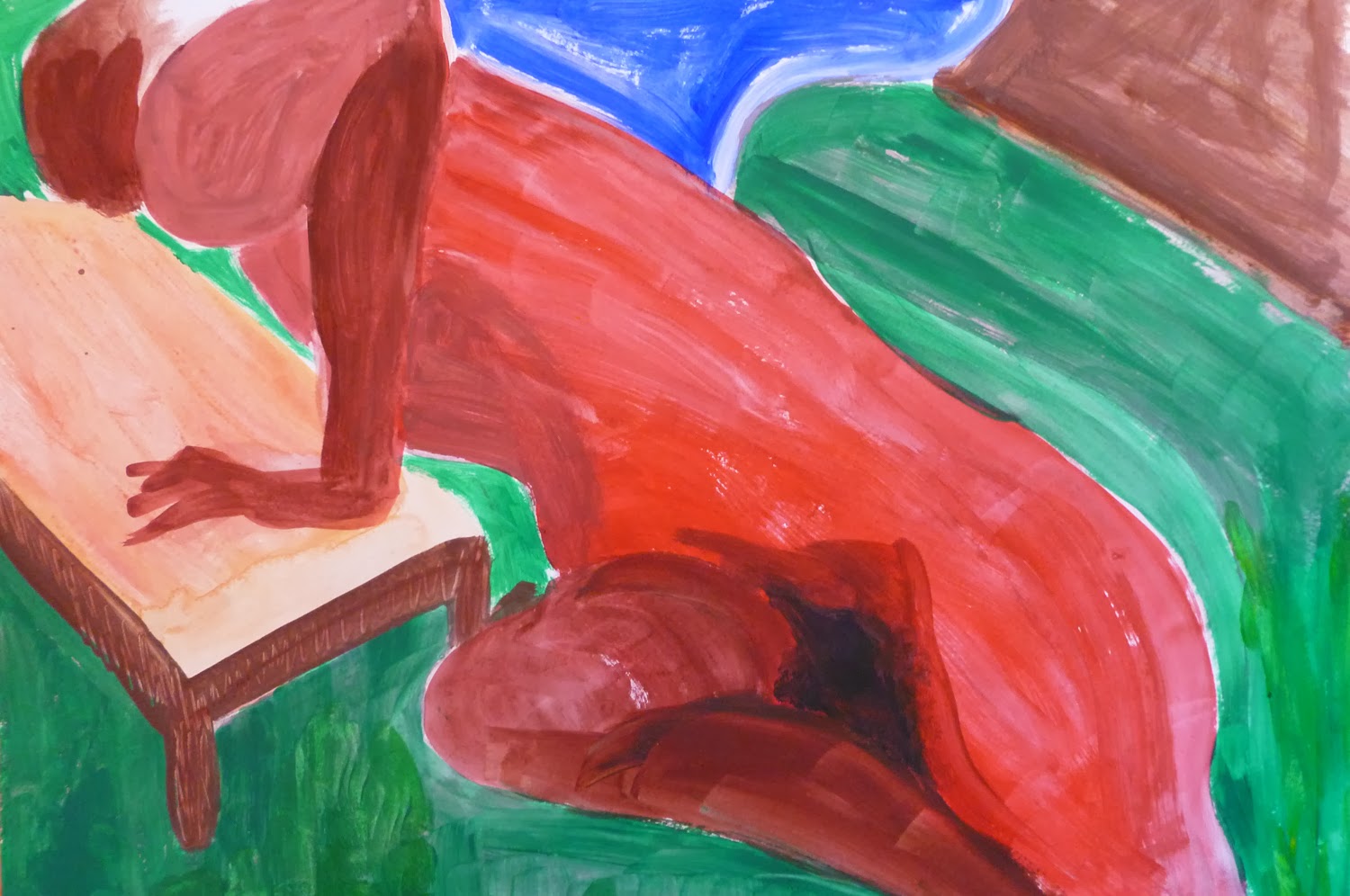
Taking our lead from lessons learned on the impressionist and fauvist projects, we responded to a life model with expressive, loose and quick paintings. The members are using colour and the brush and paint much more freely than in the past and the energy and diversity of mark making in their new work is contributing to their artistic development and the creation of some exciting paintings.


Monday, 19 August 2013

22. The Scream, August 2013

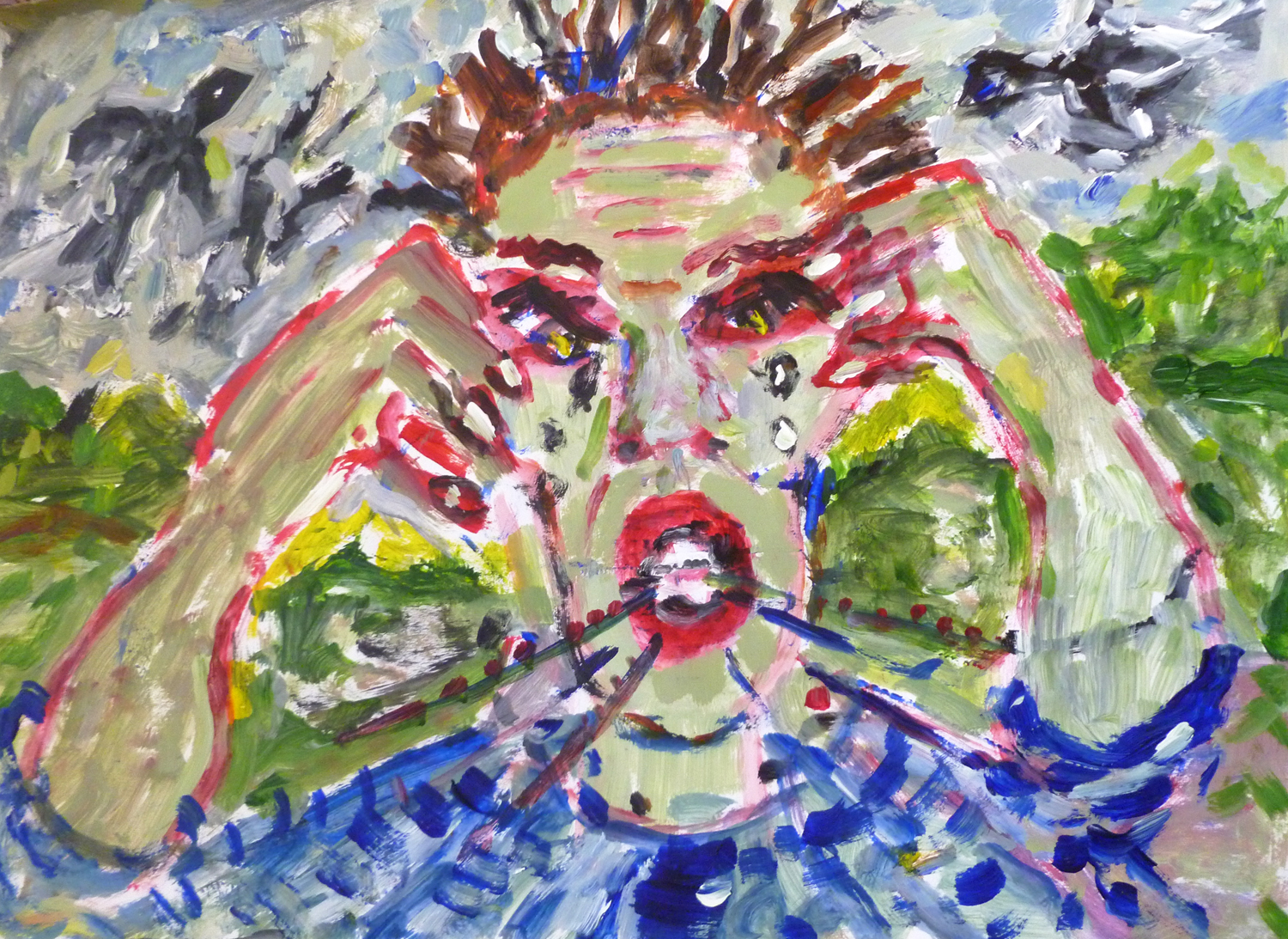
In August 2013 we looked at Edvard Munchs famous painting 'The Scream'. Continuing our enquiries into post-impressionist use of paint, members set about creating a response to the painting, a kind of self-portrait version. Their challenge was to inhabit the feeling, and try to use the materials in such a way as to carry some the emotional content of the work.


Saturday, 17 August 2013

21. Fauvism and Post-Impressionism

After developing some impressionist paintings based on stories and images in the daily newspapers, the art group tackled a 'post-impressionist' painting. We focused on the use of enhanced colours and looser more expressive rendering of form. We discussed 'colour bombs', and how post-impressionst artists tried to recreate sensation and feeling rather than capturing outer appearances. 


20. Impressionism / Flowers. July 2013

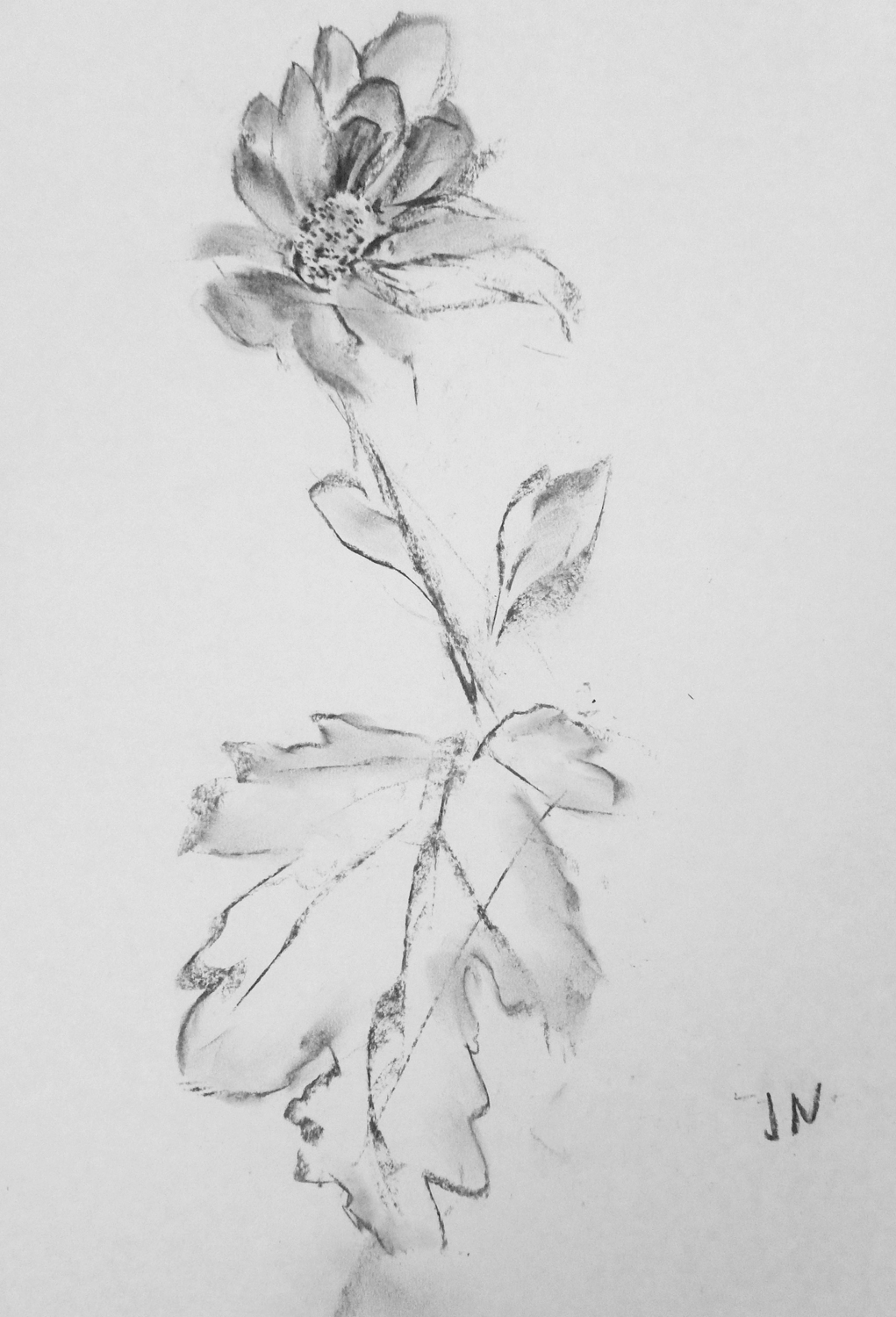
Our introduction to artistic movements in the 20th century began with a look at the ideas and methods in Impressionism. We started with some loose, expressive charcoal drawings from observation, and then continued into a series of paintings, where each member tried working with different aspects of impressionistic techniques. The works look into the informality of impressionistic composition, the loose expressive brushwork, and the use of layered painting to create vivid imagery.